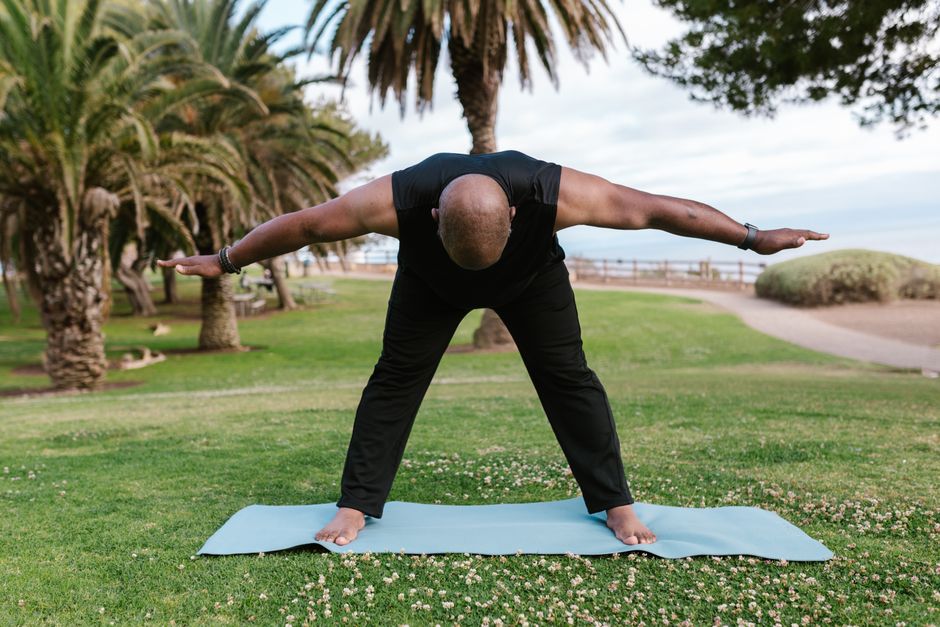
In the hustle and bustle of Nigerian life, finding time for muscle recovery might seem like a luxury. However, understanding the importance of stretching for muscle recovery can make a world of difference in maintaining your health and energy levels. Whether you're an athlete, a fitness enthusiast, or simply someone who wants to stay fit, incorporating a regular stretching routine can significantly boost your wellbeing.
Stretching is not just reserved for athletes; it's a simple yet powerful tool for anyone looking to reduce muscle tension, improve flexibility, and prevent injuries. This guide will walk you through the basics of stretching, the benefits it offers for muscle recovery, and practical ways to incorporate it into your daily routine.
The Science Behind Stretching
How Stretching Affects Muscles
When you stretch, you lengthen the muscles and tendons. This not only increases your flexibility but also improves blood circulation to the muscles, which is crucial for recovery. The increased blood flow helps in delivering more oxygen and nutrients to the muscles while removing metabolic waste products like lactic acid.
Types of Stretching
- Static Stretching: Involves holding a stretch for a period of time. This is ideal post-workout to help relax muscles.
- Dynamic Stretching: Involves active movements that stretch the muscles but are not held in one position. Perfect for pre-workout to get the blood flowing.
- PNF Stretching: Proprioceptive Neuromuscular Facilitation uses a combination of stretching and contracting of the muscle group being targeted. It's commonly used in therapeutic settings.
Benefits of Stretching for Muscle Recovery
Enhances Flexibility
Regular stretching increases your range of motion, making everyday activities easier. Imagine effortlessly reaching for items on a high shelf or bending down to tie your shoelaces without a second thought.
Prevents Injuries
When your muscles are flexible, they are less likely to get injured. Stretching maintains the elasticity of muscles and tendons, reducing the risk of strains and sprains.
Reduces Muscle Soreness
Post-exercise soreness is something many of us are familiar with. Stretching increases blood flow, which helps remove lactic acid buildup, thereby reducing soreness and accelerating recovery time.
"Stretching is essential for your body's recovery, yet often overlooked. Make it a habit, and your muscles will thank you."
Practical Stretching Routines for Nigerians
Morning Stretch Routine
Start your day with a gentle morning stretch routine to wake up your muscles. This can include neck rolls, shoulder shrugs, and back stretches. It's a great way to shake off the morning stiffness and set a positive tone for the day.
Evening Stretch Routine
Winding down with an evening routine helps relax your muscles and calm your mind. Focus on the lower back and hamstrings with stretches like the seated forward bend and butterfly stretch.
On-the-Go Stretches
For those constantly on the move, simple stretches like calf raises and arm circles can be performed almost anywhere. They are perfect for those moments when you're waiting in line or taking a quick break.
Stretching and Yoga: A Perfect Pair
Incorporating Yoga Into Your Routine
Yoga combines stretching, strength, and meditation, making it an ideal practice for comprehensive muscle recovery. Try incorporating a few yoga poses like the downward dog or child's pose after a workout session.
Benefits of Yoga for Muscle Recovery
The mindfulness element of yoga enhances body awareness, helping you recognize and address tension before it leads to injury.
"Embrace yoga as part of your recovery routine. It's not just about physical flexibility but also about mental resilience."
Conclusion
Incorporating stretching into your daily routine is a simple yet effective way to enhance muscle recovery and overall health. With the right approach, stretching can help you stay active and injury-free, even amidst the demands of daily life in Nigeria. Remember, consistency is key. The more regularly you stretch, the more benefits you'll experience over time.
So, next time you feel the tension building up, take a moment to stretch. Your muscles will thank you, and so will your future self.