In the vibrant world of sports, particularly in Nigeria where football and athletics reign supreme, athletes are constantly seeking ways to improve their performance and minimize downtime. Whether you are an aspiring sprinter in Lagos or a budding footballer in Abuja, understanding muscle recovery is essential. Not only does it enhance performance, but it also significantly reduces the risk of injuries. Let’s delve into practical ways Nigerian athletes can optimize their muscle recovery.
The Importance of Muscle Recovery
Muscle recovery is the process your body undergoes to repair and grow muscle fibers after exercise. This phase is crucial as it affects your performance, endurance, and overall health. Ignoring this vital aspect can lead to injuries, chronic fatigue, and suboptimal performance.
Scientific Basis for Recovery
When you exercise, your muscles endure stress and microscopic tears, particularly during intense workouts. During recovery, your body repairs these tears while strengthening the muscle fibers, making them more resilient and ready for future exertion.
"Recovery is where the magic happens—muscles grow and fitness gains are realized."
Common Mistakes to Avoid
- Skipping cool-down routines: A proper cool-down helps in gradually bringing the heart rate down and prevents muscle stiffness.
- Neglecting hydration: Dehydration can impede the recovery process, so make sure to replenish lost fluids.
- Insufficient rest: Muscles need time to heal, so ensure you're not overtraining.
Practical Muscle Recovery Strategies
Rest and Sleep
The cornerstone of recovery is adequate rest and sleep. For Nigerian athletes, balancing training and rest is essential. Aim for 7-9 hours of sleep per night to facilitate muscle repair and growth.
"Sleep is the ultimate performance enhancer—not just for the muscles but for the mind."
Nutrition for Recovery
Proper nutrition plays a pivotal role in muscle recovery. A diet rich in proteins, complex carbohydrates, and healthy fats fuels muscle repair and growth.
Consider incorporating:
- Protein-rich foods such as beans, fish, and chicken.
- Complex carbohydrates like yams and brown rice for energy replenishment.
- Healthy fats from nuts and avocados to aid in hormone production and cellular repair.
Active Recovery Techniques
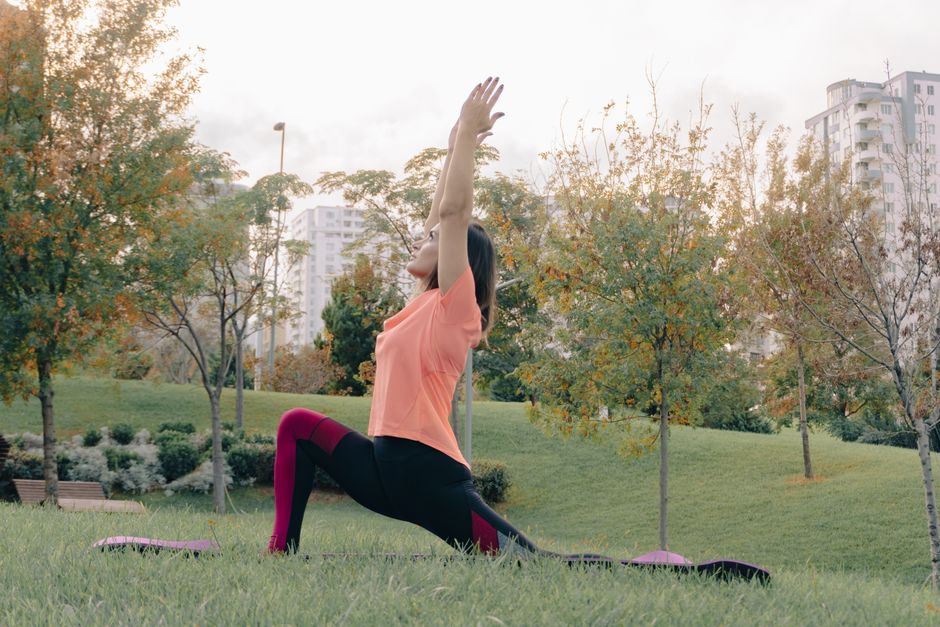
Active recovery involves low-intensity exercises that promote circulation and help in reducing muscle soreness. This includes activities like walking, swimming, or yoga.
Hydration
Staying hydrated is crucial for maintaining performance and aiding recovery. Water helps in transporting nutrients to the muscles and removing waste products. Make sure to drink water regularly throughout the day.
Utilizing Technology in Recovery
Wearable Tech
With the rise of technology, wearable devices can provide insights into your recovery processes by tracking sleep, heart rate, and overall physical activity levels.
Recovery Apps
Various apps are available to guide you through recovery exercises and offer tips on nutrition and hydration tailored to your needs.
Creating a Personal Recovery Plan
Every athlete is different, and so should be their recovery plans. Consider factors like the intensity of the workout, personal health conditions, and sporting goals when crafting a recovery plan.
Consulting Professionals
Consulting with a coach or a physiotherapist can provide personalized advice based on your specific needs and goals.
Consistency is Key
Regular and consistent recovery practices are more beneficial than sporadic intense recovery sessions. Find a routine that works for you and stick to it.
Conclusion
Optimizing muscle recovery is an ongoing process that requires attention to rest, nutrition, hydration, and active recovery techniques. By understanding these principles, Nigerian athletes can enhance their performance and prevent injuries, ensuring longer and more successful sporting careers.