Muscle recovery plays a crucial role in maintaining a healthy lifestyle, especially if you're someone who enjoys working out or engages in physical labor, which is common in Nigeria. Whether you're a fitness enthusiast or a professional athlete, understanding how to optimize your muscle recovery can make a big difference in your performance and overall well-being. In this article, we'll explore several practical strategies to ensure your muscles recover effectively, helping you bounce back stronger and faster.
We'll dive into various aspects of muscle recovery, including the importance of adequate rest, proper nutrition, and how to incorporate stretching and other activities into your recovery routine. By the end of this read, you'll have a comprehensive understanding of how to support your body's recovery process and enhance your fitness journey.
The Importance of Rest in Muscle Recovery
Rest is arguably the most critical component of muscle recovery. When you exercise, muscle fibers break down, and it's during rest that these fibers repair and grow stronger. However, the fast-paced lifestyle in cities like Lagos can often disrupt adequate rest periods.
Understanding the Role of Sleep
Sleep is indispensable for muscle recovery. During deep sleep stages, the body produces growth hormones that are essential for tissue repair and muscle growth. Unfortunately, many Nigerians struggle with sleep due to urban noise or long working hours.
- Establish a regular sleep schedule to promote better sleep quality.
- Create a calm, dark, and quiet sleeping environment to enhance restfulness.
- Avoid caffeine and heavy meals close to bedtime to improve sleep onset.
Incorporating Rest Days
Incorporating rest days into your workout routine is vital. These days allow your muscles to repair and reduce the risk of injury caused by overtraining.
- Schedule at least one rest day per week, adjusting based on your activity level.
- Listen to your body; if you're feeling extremely fatigued, consider taking an extra rest day.
"Rest is not idleness, but the soul's opportunity to renew its strength." – Anon.
Nutritional Strategies for Muscle Recovery
Nutrition plays a pivotal role in muscle recovery. Consuming the right nutrients can accelerate the healing process and optimize muscle function.
The Power of Protein
Protein is essential for muscle repair. It provides the building blocks your muscles need to recover after exercise.
- Include protein-rich foods such as beans, chicken, fish, and eggs in your diet.
- Consider protein supplements if you find it hard to meet your protein needs through food alone.
Hydration and Electrolytes
Staying hydrated is crucial for muscle function and recovery. Water helps transport nutrients to muscles and removes waste products.
- Drink plenty of water throughout the day, especially before and after workouts.
- Consider electrolyte-rich drinks to replenish salts lost through sweat, especially in Nigeria's humid climate.
Active Recovery Techniques
Active recovery involves light exercises that increase blood flow to the muscles without causing additional strain.
Benefits of Stretching
Stretching helps improve flexibility and reduces muscle stiffness, promoting better recovery.
- Incorporate dynamic stretches before workouts and static stretches afterward.
- Focus on major muscle groups, particularly those worked during exercise.
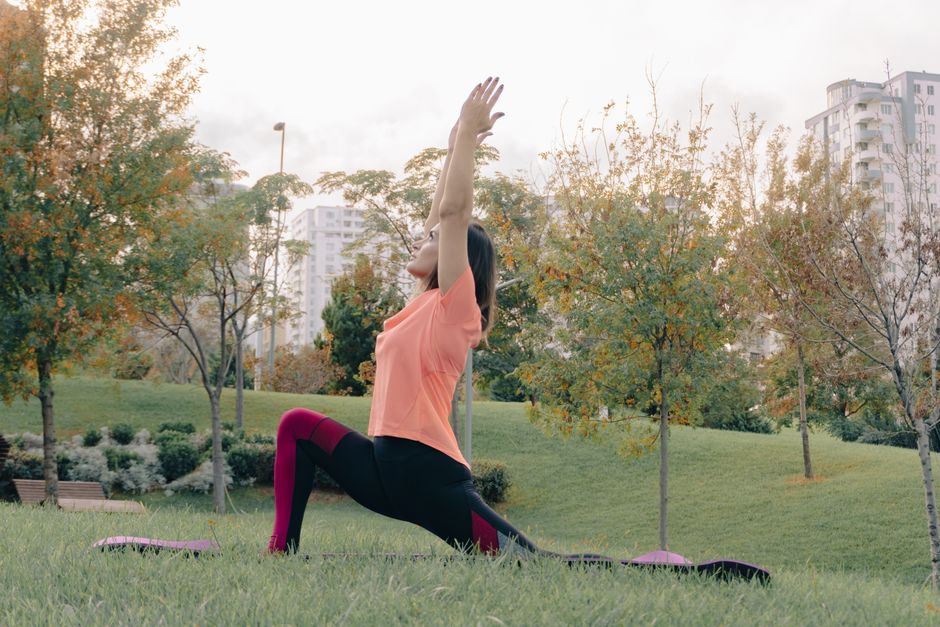
Yoga for Relaxation and Recovery
Yoga combines physical poses, breathing exercises, and meditation to enhance both physical and mental well-being.
- Join a local yoga class or follow online videos tailored to your skill level.
- Focus on poses that enhance flexibility and relaxation, like the Child's Pose or Downward Dog.
Mindful Practices for Optimal Recovery
Recovery isn't just physical; mental well-being is equally important. Stress can hinder muscle recovery, so managing stress through mindful practices can be beneficial.
Meditation and Breathing Exercises
Meditation can reduce stress and promote relaxation, aiding the recovery process.
- Practice daily meditation to help clear your mind and focus on recovery.
- Incorporate deep breathing exercises to alleviate stress and increase oxygen flow to muscles.
The Role of Massage
Massage therapy can increase circulation and reduce muscle tension, promoting faster recovery.
- Consider professional massages or use self-massage tools like foam rollers.
- Focus on areas that feel particularly tight or sore after workouts.
"Recovery is a personal journey; listen to your body and find what works best for you." – Thimeline Recovery
Final Thoughts
Optimizing muscle recovery is a holistic process that requires attention to rest, nutrition, active recovery, and mental well-being. By integrating these strategies into your routine, you can enhance your fitness journey and maintain better overall health. Remember, every individual's recovery needs are different, so take the time to listen to your body and adjust your approach as necessary. Empower yourself with the right knowledge and practices, and you'll be well on your way to achieving peak performance while ensuring your muscles recover efficiently.