Muscle recovery is a crucial aspect of any fitness journey, yet it often takes a backseat to activities like working out or staying active. However, when you pay attention to how you recover, you can significantly enhance your performance and reduce the risk of injuries. Whether you're a fitness enthusiast in Lagos or someone juggling multiple roles in Abuja, understanding muscle recovery can make all the difference in achieving your fitness goals.
In this article, we'll dive deep into various muscle recovery techniques that are not only practical but also suited to the Nigerian lifestyle. From nutritional tips to resting strategies, let's explore how you can make recovery a vital part of your fitness routine.
Understanding Muscle Recovery
Why Is Muscle Recovery Important?
Muscle recovery is essential because it allows your muscles to repair and strengthen after exercise. This process helps in preventing injuries and improving performance over time. Think of it like giving your car a rest after a long drive; it helps everything cool down and function better next time.
"Without proper recovery, you risk overtraining, leading to fatigue, decreased performance, and potential injuries."
Key Phases of Muscle Recovery
Muscle recovery typically involves several phases: the immediate cool-down, the repair phase, and the rebuilding phase. Each phase has its own set of actions and practices to ensure that your muscles recover efficiently.
- Cool-Down: After exercising, it's crucial to gradually bring your body back to its resting state. This might involve light jogging or stretching.
- Repair: In this phase, your muscles begin to heal themselves. Nutrients like protein and carbohydrates are vital to aid this process.
- Rebuilding: Finally, your muscles rebuild stronger, which prepares you for your next workout.
Nutritional Strategies for Muscle Recovery
The Role of Protein
Protein is the building block of muscles. Consuming adequate amounts of protein post-workout can help repair and build muscles. In Nigeria, you can find protein in foods like beans, fish, and peanuts.
"A good rule of thumb is to consume about 20-30 grams of protein within an hour after your workout."
The Importance of Carbohydrates
Carbohydrates replenish glycogen stores that your body uses during exercise. Incorporating foods like rice, yam, and plantains can be beneficial for quick recovery.
Hydration Matters
Staying hydrated is crucial for recovery as it helps transport nutrients to cells and removes waste products. Drinking water or electrolyte-rich drinks after a workout is advised.
Rest and Sleep: The Unsung Heroes
The Power of Quality Sleep
Sleep is when most muscle recovery happens. During deep sleep, your body releases growth hormones that aid in muscle repair. Aim for at least 7-9 hours of quality sleep.
Active Recovery Techniques
Active recovery involves low-intensity exercises that help increase blood flow and reduce muscle soreness. Activities like walking or swimming are excellent choices.
- Walking: A simple walk around your neighborhood can enhance your recovery process.
- Swimming: The buoyancy of water relieves stress on your muscles and joints.
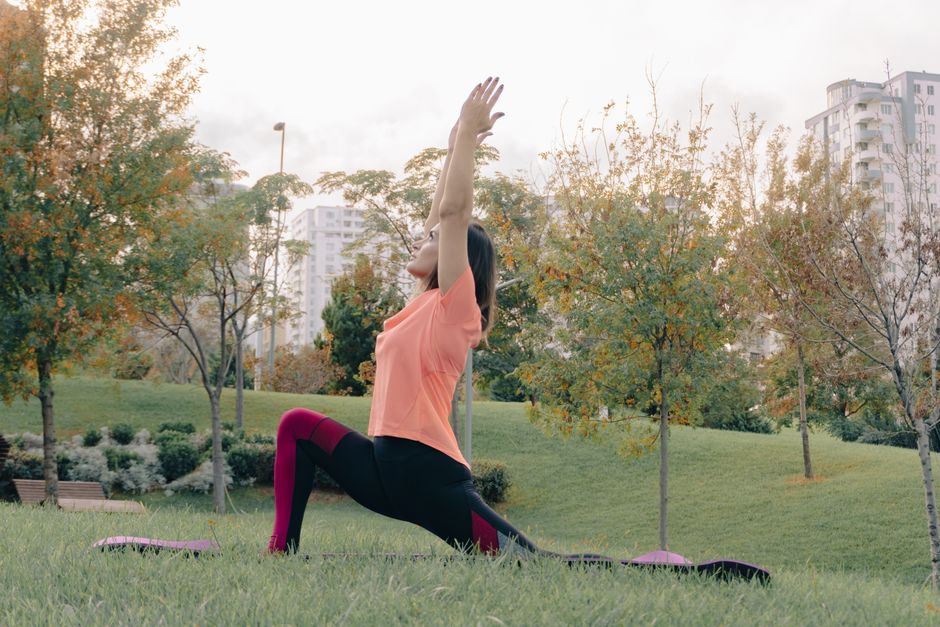
Incorporating Stretching and Yoga
Benefits of Stretching
Stretching improves flexibility, reduces muscle tension, and enhances blood circulation—all of which contribute to muscle recovery. Make it a habit to stretch after every workout session.
Yoga for Recovery
Yoga not only aids in muscle recovery but also improves mental well-being. Poses like the downward dog or child's pose help stretch and relax different muscle groups.
Creating a Personalized Recovery Plan
Assess Your Lifestyle
Your recovery plan should fit your lifestyle and fitness goals. Consider factors such as your daily schedule, dietary habits, and fitness level.
"A personalized recovery plan can help you stay consistent and achieve long-term fitness goals."
Track Your Progress
Keep a journal to track your recovery progress. Note down what works and what doesn't, making adjustments as necessary.
- Note your energy levels.
- Record your sleep patterns.
- Track your nutritional intake.
Conclusion
Muscle recovery is an integral part of a balanced fitness routine. By focusing on nutrition, sleep, and active recovery, you can enhance your muscle recovery process and achieve your fitness goals more effectively. Whether you're navigating the bustling streets of Lagos or enjoying the calm of a rural village, these recovery techniques are adaptable and beneficial. Remember, a well-rested body leads to a healthier, happier you.