In the bustling life of a Nigerian, where juggling work, family, and personal goals is a daily routine, finding time for proper muscle recovery might seem like a luxury. Yet, understanding and implementing effective muscle recovery strategies can significantly enhance your overall well-being and athletic performance. Whether you are a fitness enthusiast, an athlete, or someone who has just started a workout regimen, knowing how to recover properly is crucial. Muscle recovery is not just about relieving soreness; it's about restoring and optimizing your body's potential to perform and thrive.
Muscle recovery involves a combination of practices that help repair muscles, reduce fatigue, and prepare your body for the next workout session. In this article, we'll delve deep into various methods and techniques to make your recovery process more efficient and effective. From nutrition to rest and active recovery strategies, let's explore how you can incorporate these practices into your routine, tailored specifically for Nigerian lifestyles.
By the end of this read, you'll have a comprehensive understanding of muscle recovery and its critical role in your fitness journey. So, let's dive in and unlock the secrets of optimized muscle recovery!
The Importance of Muscle Recovery
Understanding Muscle Stress
When you exercise, especially during strenuous activities like running or weightlifting, you create tiny tears in your muscle fibers. This process is completely normal and is part of how muscles grow stronger. However, without proper recovery, these minor injuries can accumulate, leading to fatigue and even injury.
Muscle stress is also influenced by other factors common in Nigerian life, such as long working hours and dietary habits. Understanding how these factors interplay is crucial in managing muscle stress effectively.
Benefits of Proper Recovery
- Enhances muscle repair and growth
- Reduces risk of injury
- Improves performance and endurance
- Boosts immune function
- Promotes mental health
Proper recovery allows you to perform at your peak without overburdening your body. It's about working smarter, not harder.
Effective Rest and Recovery Techniques
Prioritizing Quality Sleep
Quality sleep is arguably the most crucial component of muscle recovery. During sleep, your body goes into repair mode, producing growth hormones that aid in muscle recovery.
"Aim for 7-9 hours of sleep per night, and ensure your sleeping environment is conducive to rest. These small adjustments can make a significant difference in muscle recovery."
Nutrition for Recovery
Nutritional habits play a significant role in how effectively your muscles recover. Incorporating a balanced diet rich in protein, vitamins, and minerals is vital.
- Protein: Essential for muscle repair and growth. Consider incorporating foods like beans, chicken, and fish.
- Carbohydrates: Replenish energy stores. Opt for whole grains and vegetables.
- Hydration: Keeps your body functioning optimally. Drink plenty of water, especially in the warm Nigerian climate.
Active Recovery Strategies
Incorporating Light Activities
Active recovery involves low-intensity exercises that help keep the blood flowing to your muscles, reducing stiffness and soreness. It includes activities like walking, cycling, or yoga.
"Active recovery should not be demanding. It's about moving your body gently to aid the recovery process."
The Role of Stretching and Yoga
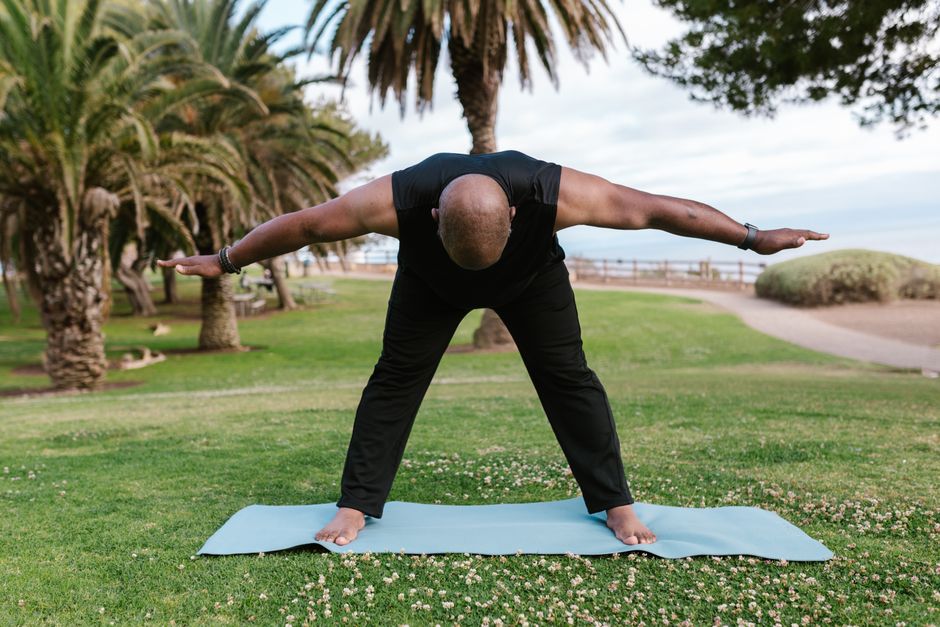
Stretching and yoga are excellent ways to enhance flexibility and muscle recovery. They help relieve tension in muscle groups and improve circulation.
- Engage in a short stretching routine post-workout.
- Consider joining a local yoga class to learn proper techniques.
Utilizing Technology for Recovery
Wearable Tech and Apps
Technology can be a great ally in muscle recovery. Wearable devices and mobile apps can track your activity levels, sleep patterns, and even provide personalized recovery tips.
- Use apps like Nike Training Club for guided recovery sessions.
- Invest in a fitness tracker to monitor sleep and activity levels.
Innovative Recovery Tools
Consider utilizing tools such as foam rollers or massage guns to help reduce muscle tightness and improve blood flow to affected areas.
These tools can be particularly beneficial after intense workouts, providing immediate relief.
Conclusion
Muscle recovery is an essential part of any fitness journey, especially in a dynamic environment like Nigeria where lifestyle factors can add additional stress on the body. By prioritizing sleep, proper nutrition, and incorporating both passive and active recovery techniques, you can significantly enhance your performance and overall health.
As you integrate these strategies into your routine, you'll find that not only does your physical strength improve, but your mental resilience and overall quality of life do as well. Remember, recovery is not a sign of weakness but rather an acknowledgment of the strength you're building. So, embrace these practices, and watch as they transform your approach to fitness and well-being.