Burnout is a silent thief, stealing productivity, joy, and a sense of purpose. It crept up on me while I was juggling work, family, and personal ambitions. If there’s one thing I regret, it’s not recognizing the warning signs early enough. Living in a bustling Nigerian city, the constant race against time often blurred the lines between urgent and important. As I reflect on my journey through recovery, there are several things I’d do differently to reclaim my well-being effectively.
One vivid memory that stands out was a typical Monday morning. I woke up after only four hours of restless sleep, dreading the day ahead. My mind was foggy, my body felt heavy, and my enthusiasm had dwindled. It was then I realized that burnout wasn’t just about being tired. It was about feeling depleted with no clear path to recharge. If I could turn back time, here’s what I’d change about my recovery process.
Recognizing Early Warning Signs
Understanding the Symptoms
The first step is recognizing the symptoms. For many Nigerians, hustling is a part of life, but when fatigue, cynicism, and inefficiency become constant companions, it’s time to reassess. I ignored these signs, attributing them to my busy schedule. Now, I’d pay closer attention to my body and mind, acknowledging when they need rest.
- Continuous exhaustion despite adequate sleep
- Increased irritability and frustration
- Decreased satisfaction and motivation
- Physical symptoms like headaches or stomach issues
Listening to Loved Ones
I often brushed off comments from friends and family who noticed I wasn’t my usual self. They saw the changes before I did. If I could do it over, I’d take their observations seriously, using them as cues to self-reflect and seek help sooner.
Prioritizing Self-Care
Creating Non-Negotiable Routines
Self-care often took a backseat during my recovery journey. I realized late that scheduling time for activities that nourish my soul isn’t a luxury; it’s a necessity. Now, I’d establish non-negotiable self-care routines, like weekly yoga sessions or a Sunday evening walk at the Lekki Conservation Centre, to recharge.
“Taking time to care for yourself is not a selfish act. It's a vital one.”
Embracing Mindfulness Practices
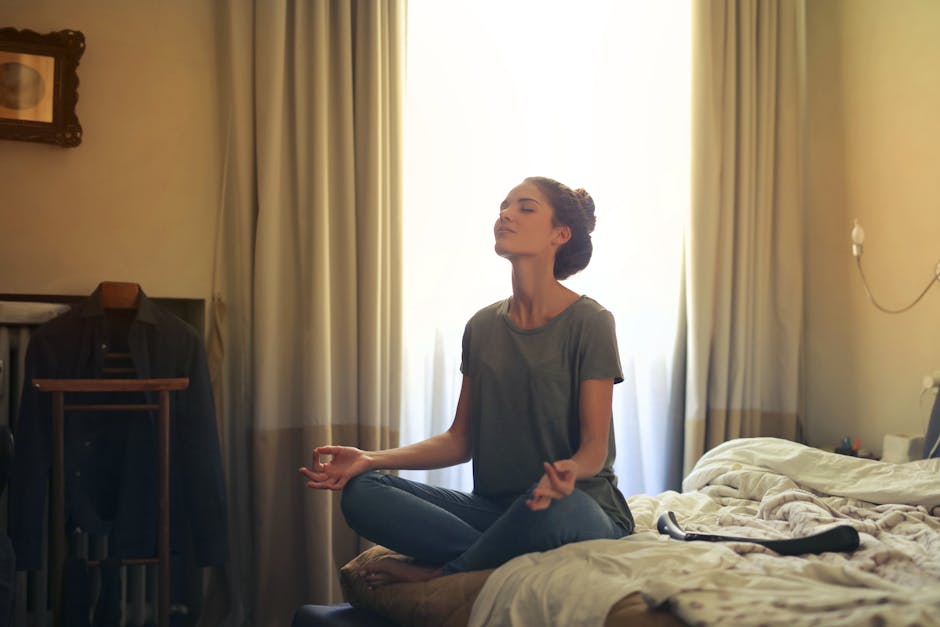
Mindfulness was something I stumbled upon halfway through my recovery. Engaging in practices like meditation helped ground me, bringing clarity and calm. I’d incorporate mindfulness from the start, using it as a tool to manage stress and maintain focus amid chaos.
Setting Healthy Boundaries
Learning to Say No
Saying “no” was a skill I lacked. I was a people-pleaser, constantly overextending myself. Reflecting on this, I’d prioritize setting firm boundaries, understanding that declining some commitments is essential for preserving mental and emotional health.
- Assessing personal capacity before committing
- Communicating limits clearly
- Not feeling guilty for protecting my time
Balancing Work and Personal Life
Balance doesn’t just happen—it’s created. Instead of letting work seep into personal time, I’d establish clear divides. Simple measures like turning off work emails after hours or dedicating weekends to family would foster a healthier work-life balance.
Seeking Professional Help
Reaching Out to Therapists
Initially, I was hesitant to seek professional help. The stigma around therapy made me hesitant. However, once I began, the insights and coping strategies I gained were invaluable. If I had to start over, I’d seek therapy sooner, viewing it as a proactive step, not a last resort.
“Therapy is not just for when you’re drowning. It’s for learning to swim better.”
Joining Support Groups
Connecting with others facing similar struggles provided solidarity and encouragement. I wish I’d joined support groups earlier, tapping into collective wisdom and sharing experiences that validated my own feelings of burnout.
Conclusion
Reflecting on my burnout recovery journey, I understand the importance of proactive and intentional self-care. By recognizing early signs, prioritizing personal well-being, setting boundaries, and seeking professional support, I could have navigated the recovery process more effectively. To my fellow Nigerians hustling day in and out, remember that recovery is not linear, and it’s okay to seek support. Your health is your wealth, and nurturing it should always be a priority.