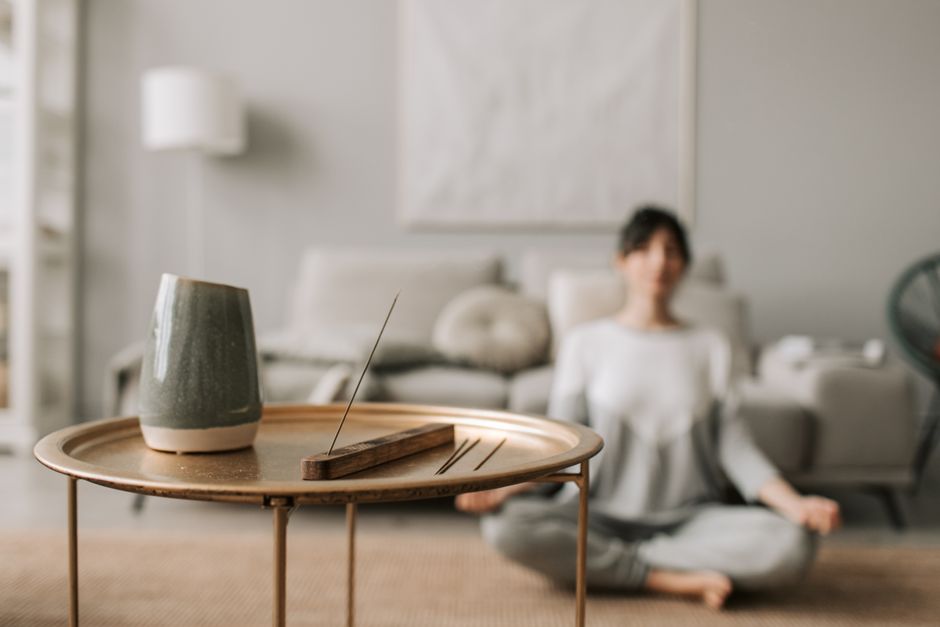
Meditation is often lauded as a cure-all for stress, anxiety, and lack of focus. But what happens when meditation itself becomes a source of frustration instead of peace? You sit down, close your eyes, and...nothing. Your mind refuses to quiet down. Instead of relaxation, you experience agitation. Let's explore how to troubleshoot when meditation isn't working as planned.
Identifying the Root of the Problem
Before diving into solutions, it's essential to understand why meditation isn't working for you. The reasons can vary widely, from mental distractions to physical discomfort or even misconceptions about what meditation should feel like.
Distractions Are Overwhelming
In the hustle and bustle of Nigerian cities, like Lagos or Abuja, finding a quiet space can be challenging. Constant noise can derail your meditation efforts.
- Try using noise-canceling headphones or a white noise app to minimize external sounds.
- Create a dedicated meditation spot in your home with minimal distractions.
Physical Discomfort
Traditional meditation postures might not suit everyone. Physical discomfort can pull your focus away from meditation.
- Experiment with different positions. Consider lying down or using supportive cushions if sitting cross-legged is uncomfortable.
- Pay attention to your body's needs. Gentle stretching before meditation can ease discomfort.
Rethinking Your Meditation Approach
Sometimes, the problem isn't with meditation itself but with how you're approaching it. Let's examine some alternative strategies.
Guided Meditations
If you find traditional meditation daunting, guided sessions can be a great way to ease into the practice.
- Apps like Calm and Headspace offer free guided meditation sessions tailored to different needs.
- Look for Nigerian meditation guides on platforms like YouTube for a more culturally relatable experience.
Incorporating Movement
Stillness isn't a requirement for meditation. Movement can help focus the mind.
- Consider walking meditations or mindful yoga practices.
- Anyone can turn daily activities, like cooking or gardening, into a meditative practice by engaging fully with the task.
Setting Realistic Expectations
Many people struggle with meditation because their expectations don't match their experiences. This disconnect can lead to feelings of failure and frustration.
The Myth of the Quiet Mind
Many believe meditation should silence the mind, but that's a misconception. The goal is to observe thoughts without judgment.
It's not about stopping thoughts but learning to not be controlled by them.
Accept that thoughts will come and go during meditation. Focus on your breath, and gently return your attention whenever it drifts.
Time Constraints
Feeling pressured to dedicate long periods to meditation can deter practice altogether.
- Start with just 5 minutes a day and gradually increase as you become more comfortable.
- Short, regular sessions can be more beneficial than sporadic, lengthy ones.
Addressing Cultural and Personal Needs
Meditation practices can sometimes feel foreign or disconnected from your personal and cultural context.
Culturally Relevant Practices
Integrating traditional Nigerian practices can enrich your meditation experience.
- Consider exploring traditional African spiritual practices that emphasize mindfulness and connection to nature.
- Community gatherings or storytelling sessions can serve as meditative activities.
Personalization
Your meditation practice should reflect who you are and what you need.
- Use personal items, like family photos or meaningful objects, in your meditation space.
- Incorporate prayers or affirmations that resonate with your beliefs and values.
Final Thoughts
When meditation isn't working, it can feel like you're failing at something you know should be beneficial. But remember, the journey to a calm mind is not a one-size-fits-all path. It's a personal journey, and there's no right or wrong way to meditate. By troubleshooting and adjusting your approach, you can find a meditation practice that truly works for you, bringing peace and focus into your life.