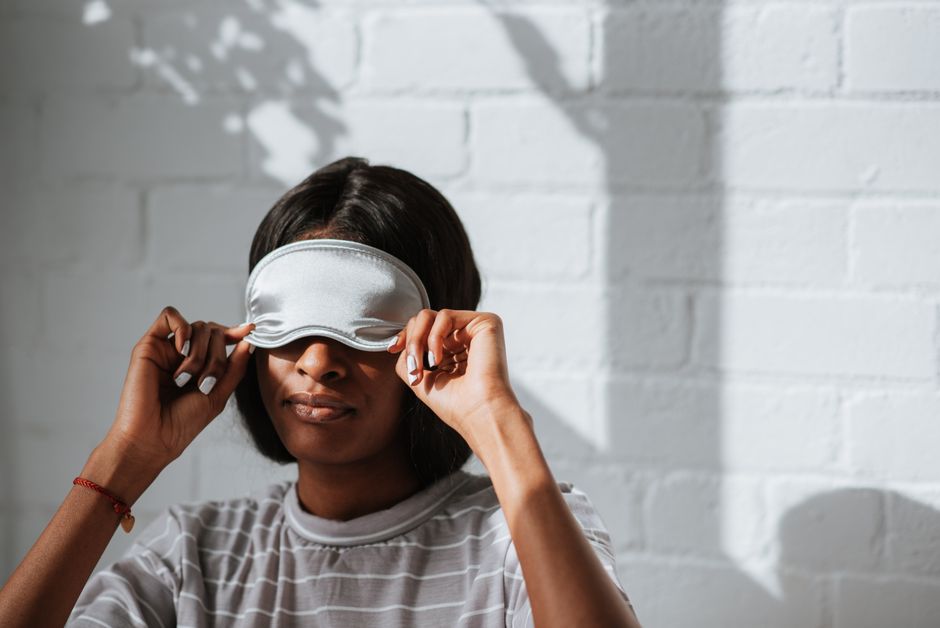
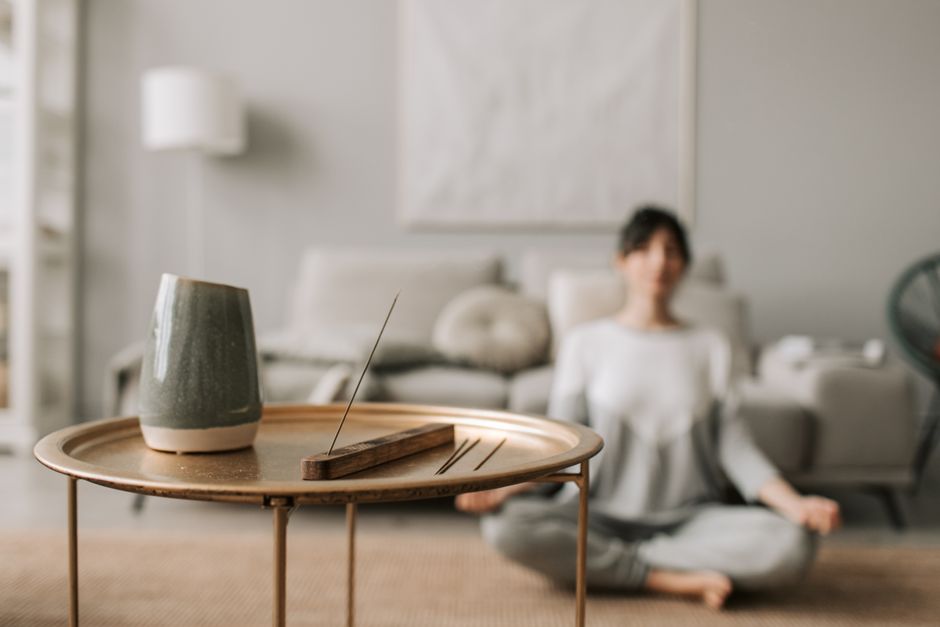
Feeling stuck in your meditation practice? You're not alone. Many people in Nigeria and around the world turn to meditation seeking inner peace, only to find themselves frustrated when results don't match their expectations. Whether you're overwhelmed by life's demands or just struggling to find that elusive calm, it's crucial to recognize that meditation doesn't always deliver instant tranquility. But don't give up just yet. Let's explore why your meditation might not be working and how you can troubleshoot the journey to inner peace.
Understanding why you're struggling can illuminate the path forward. Maybe it's a restless mind, or perhaps the time of day is not conducive to a peaceful session. Whatever the cause, identifying these roadblocks is the first step in overcoming them.
Identifying Common Meditation Roadblocks
Before we delve into solutions, let's outline some common reasons why meditation might not be working for you. Recognizing these barriers can be the key to unlocking a more fulfilling practice.
The Restless Mind
One of the most notorious obstacles is a wandering mind. If your thoughts refuse to stay put, you're in good company. This is a common issue for those new to meditation, and even seasoned practitioners can have days when their thoughts are like unruly children at a wedding.
- Mindfulness exercises: These can train your mind to focus better. Try counting your breaths or observing your surroundings in detail.
- Guided meditations: Use apps or online resources that lead you through the process, giving your mind a focus point.
Time and Environment
Where and when you meditate can greatly influence your practice. A noisy room or an inconvenient time of day can disrupt even the most seasoned meditator.
- Create a sacred space: Dedicate a corner of your home for meditation. Decorate it with calming elements like plants or candles.
- Consistency: Choose a time when you're least likely to be interrupted. Many find early morning or late at night to be ideal.
Physical Discomfort
Physical discomfort can be a major distraction during meditation. If you're fidgeting or fighting pain, your mind will struggle to relax.
- Comfortable posture: Use cushions or a chair to support your back. Don't force yourself into lotus position if it's uncomfortable.
- Gentle stretching: Incorporate stretches or light yoga before meditating to ease muscle tension.
Exploring Alternative Strategies
If traditional meditation practices aren't working, it might be time to explore alternative methods. Sometimes, stepping outside the conventional box can reignite your journey to peace.
Active Meditation Practices
Not all meditation needs to be done sitting still. In fact, active meditation can be incredibly effective for those who struggle with traditional practices.
- Walking meditation: Focus on the rhythm of your steps and the sensations of your feet touching the ground.
- Dance meditation: Let your body move freely to music, focusing on the movement and flow.
Incorporating Mindful Activities
Mindfulness isn't limited to seated meditation. Everyday activities can become meditative with the right approach.
- Cooking: Pay attention to the smells, textures, and colors of ingredients as you prepare meals.
- Gardening: Feel the soil between your fingers and be present with each plant you nurture.
Seeking Professional Guidance
When all else fails, seeking the help of a professional can provide new insights and techniques tailored to your needs.
Engaging with a Meditation Coach
A coach can offer personalized strategies and troubleshoot specific issues you're facing.
- Personalized sessions: They can tailor practices to fit your lifestyle and personal challenges.
- Feedback and accountability: Regular check-ins can keep you motivated and on track.
Participating in Group Sessions
Joining a meditation group can provide support and a sense of community, which can be incredibly motivating.
- Shared energy: The collective focus of a group can enhance your personal practice.
- Learning from others: Hear about different experiences and techniques that might resonate with you.
Conclusion
Meditation isn't a one-size-fits-all solution. It's a dynamic practice that may require adjustments and patience. If the traditional approach isn't bringing you peace, don't be discouraged. Try alternative methods, adjust your environment, or seek professional guidance. Remember, the goal is to find what works for you, and every step on this journey is valuable. Your path to inner peace is unique, and with perseverance, you can find the tranquility you seek.