When it comes to keeping fit and maintaining a healthy lifestyle, muscle recovery is a crucial component that many of us overlook. Whether you're a runner powering through the bustling streets of Lagos or a gym enthusiast in Abuja, understanding how to effectively recover your muscles can transform your fitness game. Muscle recovery isn't just about resting; it's about actively working to repair and strengthen your body, setting you up for better performance in your next workout. Let's dive into some powerful strategies to help you recover like a pro.
Understanding Muscle Recovery
Muscle recovery refers to the process your body undergoes to repair and rebuild muscle tissue after physical activity. This process is vital for improving strength, endurance, and overall fitness.
The Science Behind Muscle Recovery
When you exercise, especially during intense workouts, your muscle fibers experience tiny tears. This is a normal process and necessary for muscle growth.
Your body responds by repairing these tears, making the muscles stronger and more resilient. This repair process is what we commonly refer to as muscle recovery.
"Muscle recovery is not just a period of rest; it's an active process of healing and strengthening."
Key Muscle Recovery Techniques
Proper Hydration
Staying hydrated is essential for optimal muscle recovery. Water aids in transporting nutrients to your muscles and helps remove waste products.
- Drink at least eight glasses of water daily, especially after workouts.
- Consider including electrolyte-rich drinks to replenish lost minerals.
Nutrition for Recovery
Your muscles need the right nutrients to heal and grow stronger. A balanced diet rich in protein, carbohydrates, and healthy fats can make a significant difference.
- Include lean proteins such as chicken, fish, or beans in your meals.
- Carbs like rice and plantains provide energy and aid recovery.
- Healthy fats from avocados and nuts support muscle repair.
Rest and Sleep
Never underestimate the power of a good night's sleep. During sleep, your body releases growth hormones that facilitate muscle repair.
- Aim for 7-9 hours of sleep per night to maximize recovery.
- Establish a regular sleep schedule to enhance the quality of your rest.
Incorporating Stretching and Foam Rolling
Benefits of Stretching
Stretching helps reduce muscle tension, increases flexibility, and improves blood circulation, all of which contribute to better muscle recovery.
- Include dynamic stretches in your warm-up routine.
- Post-workout static stretches can help reduce soreness.
Foam Rolling for Muscle Recovery
Foam rolling is a form of self-myofascial release that helps alleviate muscle tightness and soreness.
- Focus on rolling out major muscle groups, such as calves and thighs.
- Spend at least 5-10 minutes on foam rolling after workouts.
Utilizing Active Recovery
Active recovery involves low-intensity exercises that promote circulation and help eliminate toxins from the body.
Examples of Active Recovery
- Light jogging or walking
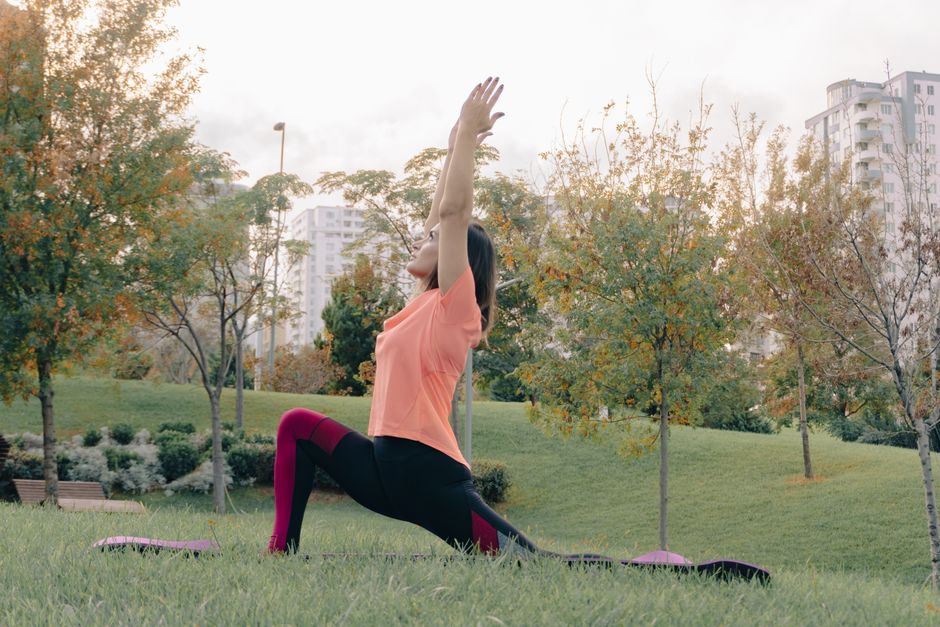
- Gentle yoga or stretching sessions
- Swimming at a relaxed pace
"Active recovery keeps the body moving, promoting faster healing and reduced muscle soreness."
Listening to Your Body
While it's important to push your limits, it's equally crucial to listen to your body and recognize when it needs rest.
Signs You Need More Recovery
- Persistent muscle soreness or fatigue
- Decreased performance or motivation
- Increased risk of injury
Conclusion
Muscle recovery is a vital part of any fitness regimen. By incorporating these strategies, you can enhance your recovery process, reduce soreness, and improve overall performance. Remember, the road to a healthier, fitter you involves not just hard work but also smart recovery strategies. So, next time you hit the gym or go for a run around your neighborhood, keep these tips in mind and watch your fitness levels soar.