When it comes to physical performance, muscle recovery is as important as the training itself. Athletes in Nigeria face unique challenges due to climate, diet, and busy lifestyles. Our goal is to help you optimize recovery, ensuring that your muscles rebuild stronger, increasing your overall performance.
By integrating recovery practices into your routine, you not only prevent injuries but also enhance your athletic longevity. Let's explore the best strategies for muscle recovery that fit seamlessly into your lifestyle, whether you're training on the bustling streets of Lagos or the serene fields of Kaduna.
Understanding Muscle Recovery
What Happens During Muscle Recovery?
Muscle recovery is the process through which your body repairs the micro-tears in muscle fibers caused during exercise. This process is crucial for muscle growth and strength increase.
"Recovery is where the magic happens for athletes. It's when muscles rebuild stronger and faster."
The Science Behind Muscle Recovery
During a workout, especially strength training, muscles endure stress and small injuries. The recovery phase involves protein synthesis and cellular repair, making muscles resilient over time.
Importance of Nutrition in Muscle Recovery
Key Nutrients for Optimal Recovery
Proteins, carbohydrates, and fats play vital roles in muscle repair. Consuming the right balance post-exercise accelerates the recovery process.
- Protein: Essential for muscle repair and growth.
- Carbohydrates: Replenish glycogen stores, providing energy for workouts.
- Fats: Support hormonal balance and provide energy.
Traditional Nigerian Foods for Recovery
Foods like jollof rice, beans, and plantains aren't just delicious; they provide a balanced mix of carbs and proteins ideal for recovery.
Incorporating local ingredients like okra and ugu (fluted pumpkin leaves) enhances nutrient intake, supporting muscle health.
Active Recovery Techniques
Incorporating Stretching and Yoga
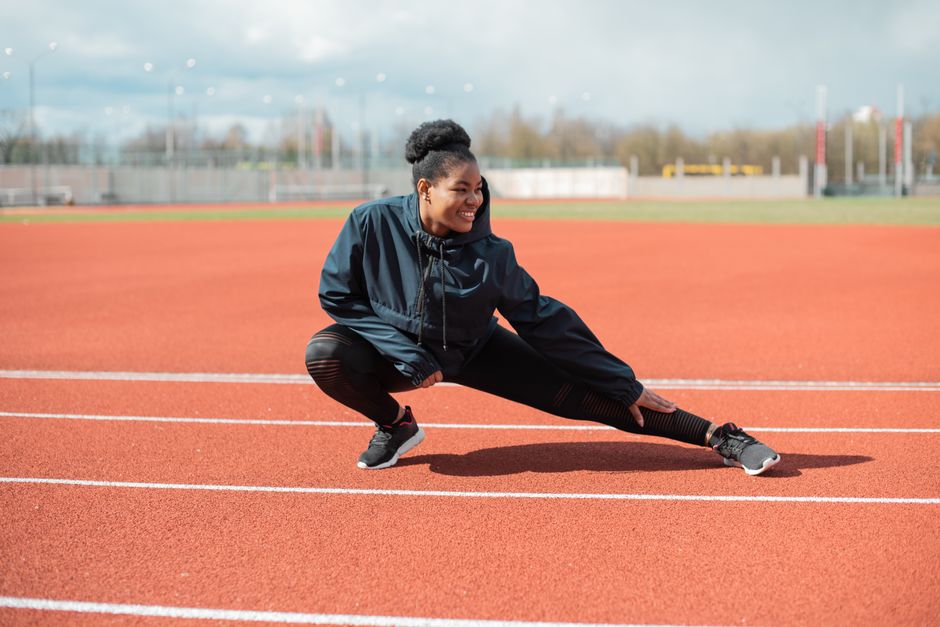
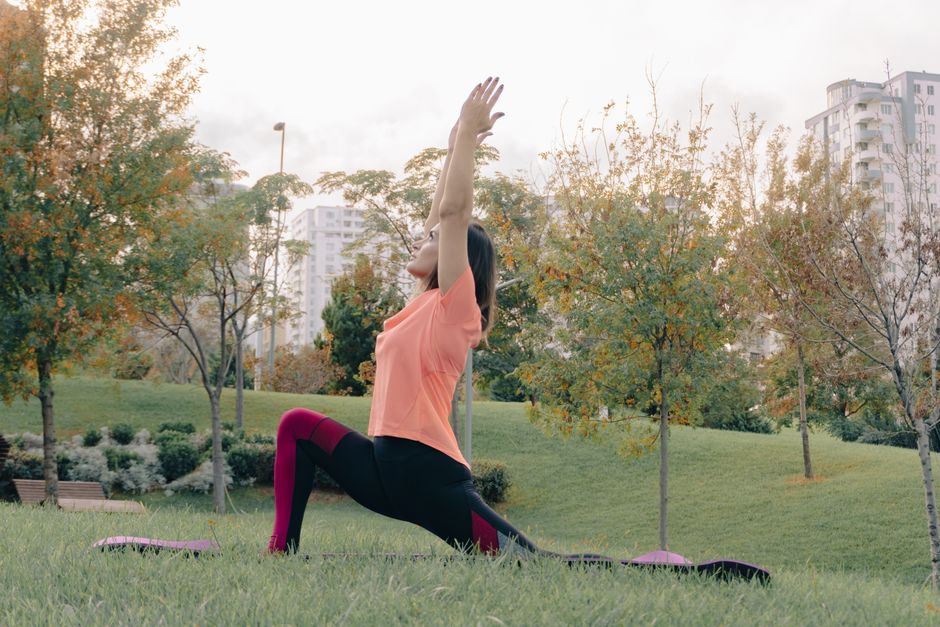
Stretching improves flexibility and blood circulation, crucial for removing toxins from muscles. Yoga offers a holistic approach, enhancing mental and physical relaxation.
- Post-workout stretching: Focuses on major muscle groups, reducing stiffness.
- Yoga sessions: Integrate poses like the downward dog and warrior pose to stretch muscles effectively.
Foam Rolling and Massage
Both foam rolling and massages help in breaking down fascia, the connective tissue, thereby reducing soreness and improving muscle function.
The Role of Sleep in Muscle Recovery
Why Sleep Matters
During sleep, the body releases growth hormones critical for muscle repair. Insufficient sleep hinders recovery, affecting performance.
Establish a sleep routine: Aim for 7-9 hours of uninterrupted sleep, creating a conducive environment by minimizing noise and light.
Adapting Sleep Habits to Recovery Needs
Consider power naps and sleep hygiene practices to ensure quality rest, especially after intensive workout sessions.
Final Thoughts
Muscle recovery is an ongoing process that requires attention and adaptation. By leveraging the right combination of nutrition, active recovery techniques, and sufficient rest, Nigerian athletes can achieve optimal performance. Remember, every workout pushes your limits, but recovery is where you build resilience.
"Recovery is just as important as exercise; it's the bridge to improved performance."
Implement these strategies into your routine, and let your muscles thank you for the care. Whether you're prepping for a marathon or a local football match, recovery will be your greatest ally in achieving peak performance.