Muscle recovery is more than just a buzzword; it's an essential part of maintaining an active lifestyle and achieving your health goals. Whether you're a gym enthusiast in Lagos or a runner hitting the streets of Abuja, understanding how to properly recover your muscles can make the difference between progress and setbacks. The primary keyword here is 'muscle recovery,' and it’s something that should be at the forefront of every fitness regime.
In Nigeria, where various physical activities and sports are embraced, from football to traditional dances, muscle recovery often takes a back seat to more visible aspects of fitness like strength training. However, paying attention to how your muscles recuperate can significantly impact your overall health and performance.
So, what does effective muscle recovery entail, and how can you incorporate it into your daily routine? Let's explore the steps and strategies that are not only practical but also culturally resonant, ensuring you stay at the top of your game.
Understanding Muscle Recovery
The Science Behind Muscle Recovery
Muscle recovery is the process through which your muscles repair and rebuild after exercise. This process is crucial for muscle growth, strength, and overall physical performance. During workouts, muscles experience tiny tears, and it's through recovery that these muscles heal and become stronger.
Nigerians are quite familiar with the concept of taking time to rest after hard work, whether it's after a day in the fields or a strenuous dance rehearsal. This downtime is when the body does its best repair work, knitting back the muscle fibers stronger than before.
Importance of Adequate Rest
Rest is a pillar of muscle recovery. Without sufficient rest, your muscles can't properly heal, which can lead to increased fatigue and risk of injury. Quality sleep is particularly crucial, as this is when the body releases growth hormones to aid muscle repair.
Incorporating rest days into your fitness routine is essential. Think of it like the siesta culture in some parts of Nigeria, where taking a break is not just recommended but celebrated.
The Role of Nutrition in Muscle Recovery
Essential Nutrients for Recovery
Nutrients play a vital role in muscle recovery. Proteins, carbohydrates, and healthy fats are the building blocks needed to repair tissue and replenish energy stores.
- Protein: Helps repair and build muscle tissues. Incorporate sources like beans, fish, and lean meats into your diet.
- Carbohydrates: Replenish glycogen stores. Consider yams, rice, and plantains as excellent carb sources.
- Fats: Support overall cell function. Palm oil and groundnuts are traditional options that can be used in moderation.
Drawing from local foods, you can create a diet that supports muscle recovery, utilizing ingredients that are not only healthy but also culturally significant.
Hydration and Its Impact
Staying hydrated is often overlooked but is essential for muscle recovery. Water helps transport nutrients around the body and aids in removing waste products from muscles.
"Drink water like you drink your soup," goes a Nigerian saying, emphasizing the importance of staying hydrated, especially in our climate.
Active Recovery and Its Benefits
What is Active Recovery?
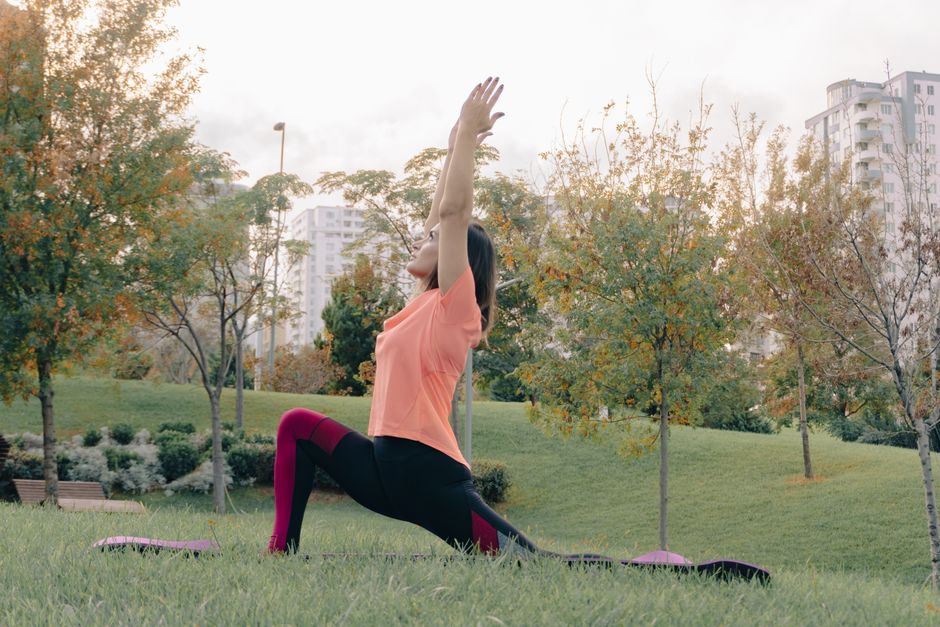
Active recovery involves low-intensity exercises that help keep the blood flowing, reduce stiffness, and speed up recovery. Activities such as walking, stretching, or yoga can be very beneficial.
For instance, taking a leisurely walk through the bustling streets of Lagos or engaging in gentle yoga can stimulate blood flow and help alleviate muscle soreness without putting additional strain on your body.
Incorporating Stretching and Yoga
Stretching and yoga not only assist in recovery but also improve flexibility and prevent injury. These practices help lengthen muscle fibers, reduce tension, and enhance relaxation.
- Dynamic Stretching: Perform before workouts to prepare muscles.
- Static Stretching: Best done post-exercise to aid recovery.
- Yoga: Incorporate poses that focus on deep stretching and mindful breathing.
Yoga classes are increasingly available in many Nigerian cities, offering a blend of cultural elements that make them both enjoyable and productive.
Tools and Techniques for Enhanced Recovery
Using Foam Rollers and Massage
Foam rolling and massage are effective techniques to release muscle tightness and improve circulation. These methods can be easily done at home or with the help of a professional.
Consider using foam rollers before bed or after a long day to unwind muscles. Additionally, traditional massages, widely available in Nigerian markets, provide both relaxation and recovery benefits.
Heat and Cold Therapy
Alternating between heat and cold can promote recovery by reducing inflammation and soothing sore muscles. Cold packs can constrict blood vessels, reducing swelling, while heat can enhance blood flow.
Locally, many swear by using hot-water bottles or cold compresses, which are simple yet effective methods to manage muscle soreness.
Final Thoughts
Mastering muscle recovery is not just about resting—it’s a comprehensive approach that includes proper nutrition, hydration, and active recovery techniques. By integrating these strategies into your lifestyle, you can enhance your wellness and performance, ensuring that you always rise to the occasion, whether on the football field or during a cultural festival.
Remember, muscle recovery is a journey, not a destination. Like preparing a rich Nigerian stew, it requires the right ingredients and patience for the best results. So, take the time to rest, eat well, and stay active, and your muscles will thank you in the long run.