If you're an athlete in Nigeria, you know that the journey to peak performance is not just about intense training sessions or the latest sports gear. It's also about what happens after you step off the track or field. Muscle recovery is the unsung hero in the world of sports, yet it's often overlooked in favor of more glamorous aspects of athletic training.
Picture this: A young athlete in Lagos, after a hard day's training, comes home exhausted. He knows he should rest, but the lure of nightly activities and the hustle of city life push him to skip crucial recovery time. Sound familiar? You're not alone. Understanding and implementing effective recovery strategies could be the difference between achieving your athletic dreams or being sidelined by injuries.
In this article, we'll explore practical, actionable muscle recovery techniques tailored specifically for Nigerian athletes. Whether you are preparing for the Lagos City Marathon or simply enjoy a healthy lifestyle, these insights could transform how you recover, perform, and excel.
Understanding Muscle Recovery
What is Muscle Recovery?
Muscle recovery refers to the process your body undergoes to repair and strengthen muscle tissues after strenuous activity. This includes replenishing energy stores and repairing damaged tissues, which is crucial for muscle growth and performance improvement.
Why is Muscle Recovery Important?
- Injury Prevention: Adequate recovery time helps prevent overuse injuries, which are common among athletes who push their bodies too hard.
- Performance Enhancement: Proper recovery allows athletes to train harder and more consistently, improving overall performance.
- Mental Health: Recovery periods provide much-needed mental breaks, reducing stress and preventing burnout.
"Rest and recovery are just as important as the workout itself." - John Smith, Sports Scientist
Effective Muscle Recovery Techniques
Active Recovery
Engaging in low-intensity exercise after a workout can enhance circulation, which helps remove waste products from muscles and speeds up recovery. Activities like walking or cycling are excellent active recovery exercises.
Hydration and Nutrition
Proper hydration is crucial for muscle recovery. Drinking water and consuming electrolyte-rich drinks can help replenish lost fluids. Additionally, a diet rich in proteins, carbs, and healthy fats supports muscle repair and energy restoration.
- Consume lean proteins like chicken or fish to aid in muscle repair.
- Include complex carbohydrates like yams or plantains for energy replenishment.
- Incorporate healthy fats from avocados and nuts for overall wellness.
Stretching and Foam Rolling
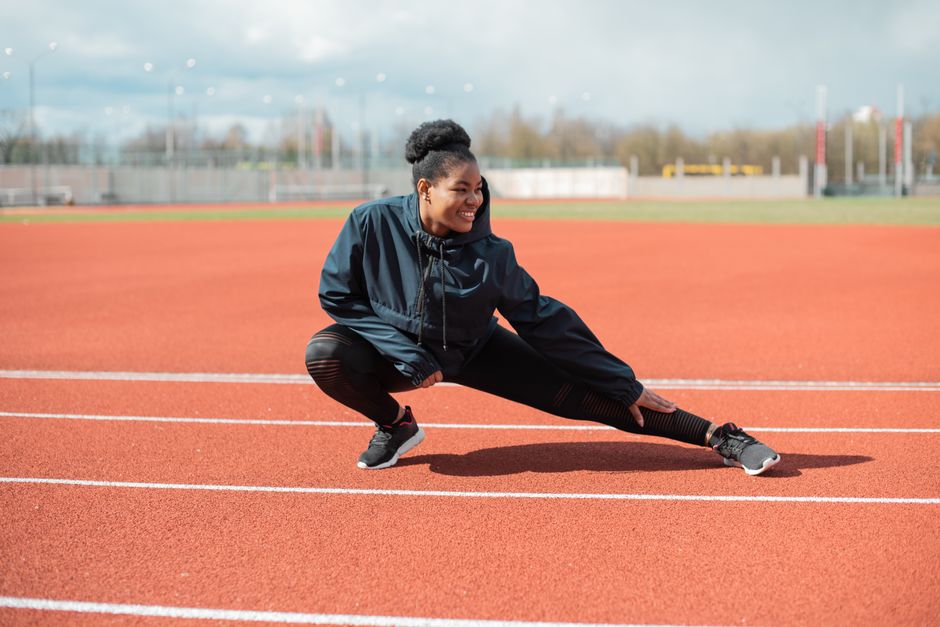
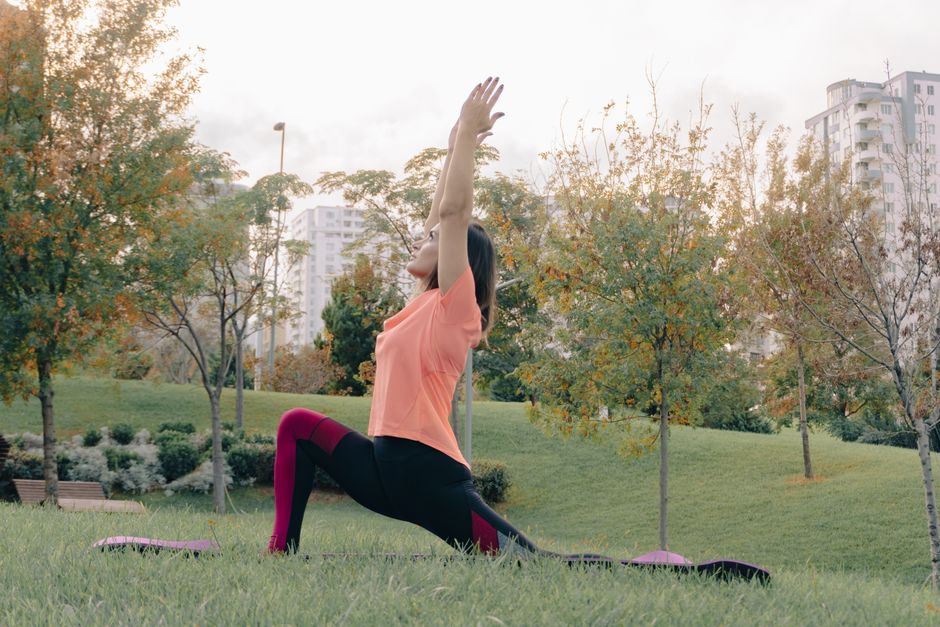
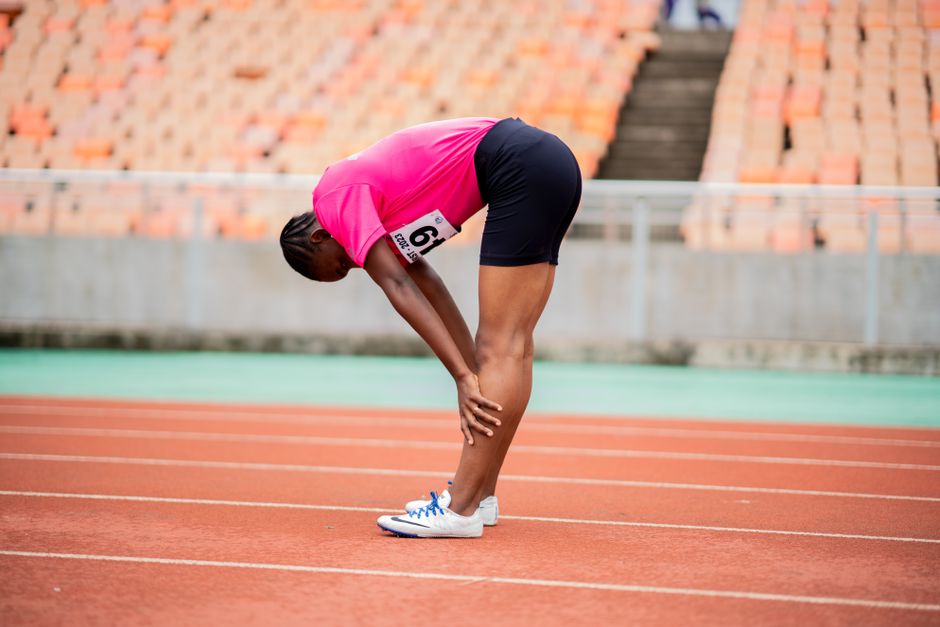
Stretching helps maintain flexibility and reduces muscle soreness, while foam rolling can alleviate muscle tightness. These practices should be integrated into your post-workout routine.
Mindful Rest and Sleep
Importance of Sleep
Sleep is the body's natural recovery process. Aim for 7-9 hours of sleep per night to allow your body ample time to repair and rejuvenate.
Creating a Restful Environment
- Keep your bedroom cool and dark to enhance sleep quality.
- Establish a regular sleep schedule to regulate your body clock.
- Limit screen time before bed to reduce blue light exposure.
Incorporating Recovery into Your Routine
Plan Your Recovery
Just as you schedule your workouts, plan your recovery days. This could be a day dedicated to light activities or a complete rest day.
Listen to Your Body
Your body often knows what it needs. If you're feeling fatigued or sore, don't ignore it. Taking a break when necessary can prevent long-term damage.
Using Technology for Recovery
Utilize apps and gadgets that track your sleep and recovery. These tools can provide insights into how well you're recovering and what adjustments you might need to make.
Final Thoughts
Muscle recovery is not a luxury; it's a necessity. For Nigerian athletes aiming to excel in their sports, understanding and embracing these recovery strategies can lead to better performance, fewer injuries, and greater overall well-being. Remember, it's not just about how hard you train, but also how wisely you recover.
"Train hard, recover harder, and success will follow." - Jane Doe, Athletic Coach