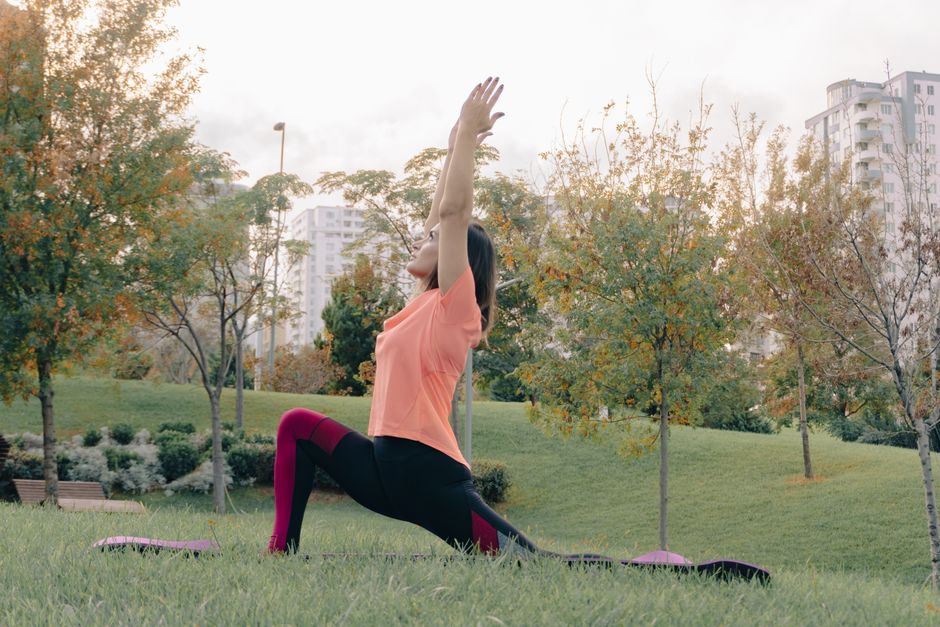
In the vibrant and bustling cities of Nigeria, life moves at a rhythm that demands energy and resilience. Whether you're navigating the hectic streets of Lagos or enjoying a tranquil moment in Jos, maintaining your energy levels is essential. For those who engage in physical activities, whether it's a spirited game of football or a rigorous workout session, understanding muscle recovery can be the key to sustaining an active lifestyle. Muscle recovery isn't just about rest; it's about optimizing your body's ability to repair and grow stronger. Let's delve into practical strategies that can help you enhance muscle recovery, tailored specifically for Nigerians.
Understanding Muscle Recovery
Muscle recovery is a crucial process that involves repairing and rebuilding muscle fibers after physical stress. This is not just important for athletes but for anyone engaging in regular physical activities. When you exercise, especially in activities that demand significant physical exertion, your muscles endure microscopic tears. Proper recovery ensures these tears heal and the muscles grow stronger.
The Role of Nutrition in Muscle Recovery
Nutrition is a cornerstone of muscle recovery. Consuming the right foods can supply your body with the nutrients needed to repair muscle tissues effectively.
- Protein Intake: Protein is essential for muscle repair. Foods such as beans, fish, and chicken are great sources.
- Carbohydrates: Replenishes glycogen stores. Include rice and maize in your diet for energy replenishment.
- Healthy Fats: Avocados and palm oil provide healthy fats essential for overall bodily functions.
Hydration and Its Impact
Staying hydrated is vital for muscle recovery. Water facilitates nutrient transportation, aids in waste removal, and keeps joints lubricated.
"Hydration isn't just drinking water, it's about balancing electrolytes too. Coconut water is an excellent natural source of electrolytes."
Incorporating Rest and Active Recovery
Rest is essential, but active recovery can be equally effective, especially in maintaining flexibility and reducing soreness.
Importance of Rest Days
Scheduling rest days in your workout routine allows muscles to repair and grow. Overtraining can lead to exhaustion and injuries.
Active Recovery Techniques
- Light Cardio: Activities like walking or cycling at a gentle pace can promote blood flow and enhance recovery.
- Stretching: Incorporating stretches in your routine helps in increasing flexibility and reducing stiffness.
Stretching and Yoga for Recovery
Stretching and yoga are not only for flexibility; they are essential for muscle recovery and relaxation.
Benefits of Stretching
Regular stretching can help in reducing muscle tension, increasing blood flow, and enhancing flexibility.
Yoga Practices for Muscle Recovery
Yoga can be a powerful tool for muscle recovery, improving your mental and physical well-being.
"Yoga poses like the child's pose or downward dog help relax the muscles and improve circulation, aiding in recovery."
Monitoring and Adjusting Your Routine
Keeping track of your progress and adjusting your recovery strategies is crucial in optimizing muscle recovery.
Using Technology
Wearable fitness trackers can help monitor your physical activity and recovery progress, providing valuable insights.
Listening to Your Body
Your body communicates its needs. Pay attention to signs of fatigue or pain, and adjust your routine accordingly.
Conclusion
Efficient muscle recovery is integral to maintaining an active and healthy lifestyle in Nigeria. By incorporating proper nutrition, hydration, rest, and strategic physical activities like stretching and yoga, you can enhance your recovery process. Remember, recovery is not just about resting; it's about making informed choices that support your body's ability to repair and grow stronger. Embrace these strategies, and you'll find yourself more energetic and resilient, ready to tackle whatever life throws your way.